
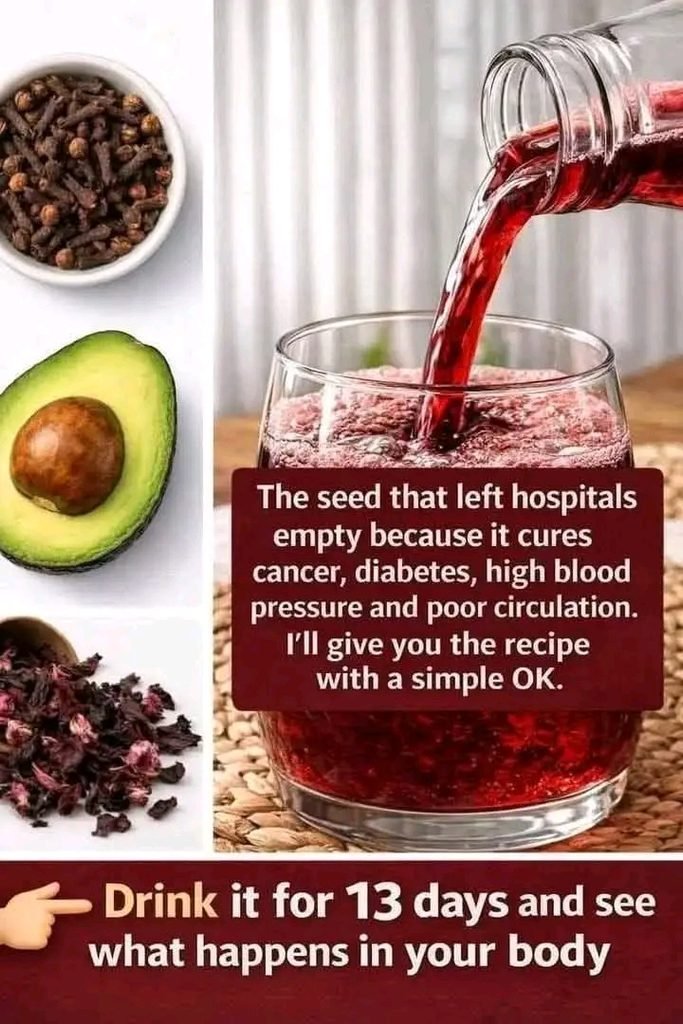
The Powerful Seed Everyone Is Talking About: What Science Really Says
A small seed has recently attracted enormous attention online, with dramatic claims that it can “cure cancer,” reverse diabetes, lower high blood pressure, and improve poor circulation.
Such claims can sound convincing, especially when they are accompanied by stories suggesting that hospitals became empty because people discovered a natural remedy.
But there is an important difference between a nutritious food with potentially beneficial compounds and a proven treatment for serious diseases.
No single seed has been scientifically proven to cure cancer, diabetes, high blood pressure, or circulatory disease.
Why Are Seeds So Interesting?
Seeds can be remarkably nutritious. Depending on the variety, they may contain protein, healthy fats, fiber, minerals, antioxidants, and plant compounds that support overall health.
Some seeds have also been studied for their potential effects on blood sugar, cholesterol, blood pressure, and inflammation.
However, research conducted in laboratories or small human studies does not automatically mean that a food can treat or cure a disease.
What About Blood Sugar?
Certain seeds are rich in fiber, healthy fats, and other nutrients that may help support a balanced diet.
Eating fiber-rich foods can contribute to better blood-sugar control, particularly when they replace highly refined carbohydrates.
But people with diabetes should not replace prescribed medication with seeds or homemade remedies. Blood sugar management usually requires a combination of diet, physical activity, monitoring, and—when necessary—medication.
What About High Blood Pressure?
Some seeds contain minerals such as magnesium and potassium, which are important for normal cardiovascular function.
A diet rich in whole grains, vegetables, fruits, legumes, nuts, and seeds can form part of a heart-healthy eating pattern.
Nevertheless, eating a particular seed does not mean that someone can safely stop taking blood-pressure medication.
High blood pressure can damage the heart, brain, kidneys, and blood vessels when it remains untreated.
Can Seeds Improve Circulation?
Seeds may contribute to cardiovascular health because many contain unsaturated fats, fiber, and antioxidant compounds.
But “improving circulation” is a broad claim. Poor circulation can have many causes, including peripheral artery disease, diabetes, blood clots, heart disease, and other medical conditions.
Persistent leg pain, swelling, numbness, cold extremities, or changes in skin color should be evaluated by a healthcare professional rather than treated solely with a home remedy.
And What About Cancer?
This is where misinformation can become particularly dangerous.
Some plant compounds have demonstrated interesting effects in laboratory or animal research. Researchers may investigate whether these compounds influence inflammation, oxidative stress, or cancer-related pathways.
But laboratory findings do not prove that eating the plant or its seeds can cure cancer in humans.
Cancer consists of many different diseases, and effective treatment depends on the specific cancer, its stage, and the individual patient.
Anyone undergoing cancer treatment should speak with their oncology team before using concentrated supplements or herbal preparations.
A Simple Way to Add Seeds to Your Diet
If you enjoy seeds as part of a healthy diet, there is usually no need for complicated preparations.
Simple Seed & Yogurt Bowl
Ingredients:
- 1 cup plain yogurt
- 1 tablespoon of your preferred edible seeds
- 1 tablespoon chopped nuts
- A small handful of berries or another fruit
- Optional: a small amount of cinnamon
Method:
Add the yogurt to a bowl and sprinkle the seeds and chopped nuts over the top. Add fresh fruit and serve.
This is a simple nutrient-rich snack, but it should be viewed as part of a balanced diet—not as a medicine or cure.
How Much Should You Eat?
There is no universal medicinal dose for “the seed” because different seeds have different nutritional profiles, and many of the health claims circulating online have not been adequately tested in clinical trials.
A reasonable approach is to use edible seeds as a normal food, in moderate portions, rather than consuming very large quantities in the belief that more will produce stronger health effects.
People with allergies, digestive disorders, or medical conditions should consider their individual circumstances before making major dietary changes.
The Bottom Line
Seeds can be nutritious additions to a healthy diet, and scientific research continues to investigate the potential benefits of many different varieties.
But headlines claiming that a particular seed “emptied hospitals” or cures cancer, diabetes, high blood pressure, and poor circulation are not supported by reliable clinical evidence.
Natural foods can support good health, but they should not replace proven medical treatment.
The best approach is simple: enjoy nutritious foods as part of a balanced diet, and treat extraordinary health claims with caution—especially when they promise to cure serious diseases.
This article is for educational purposes only and does not constitute medical advice. People with cancer, diabetes, high blood pressure, cardiovascular disease, or other medical conditions should consult a qualified healthcare professional before changing treatment or using supplements.